
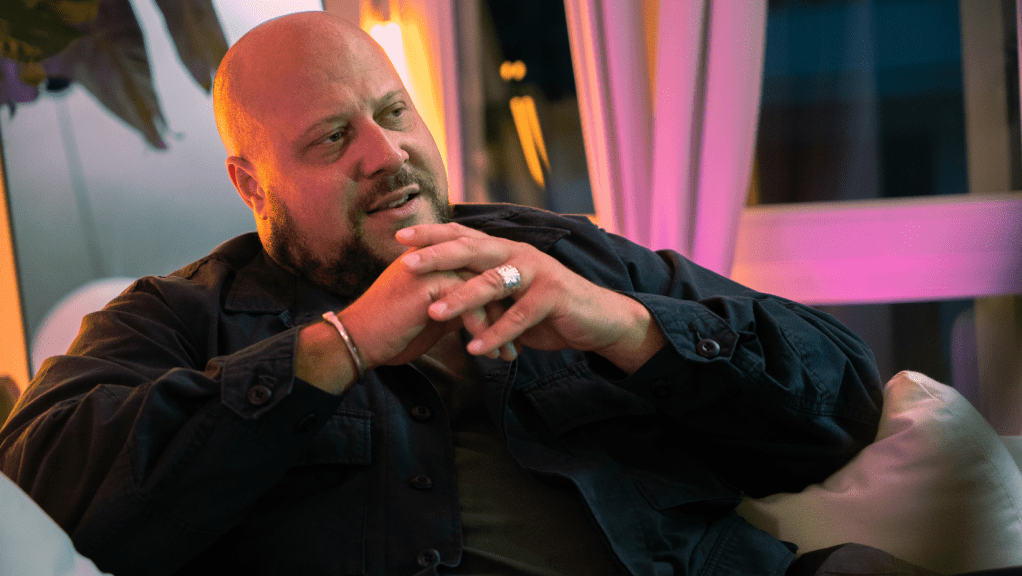
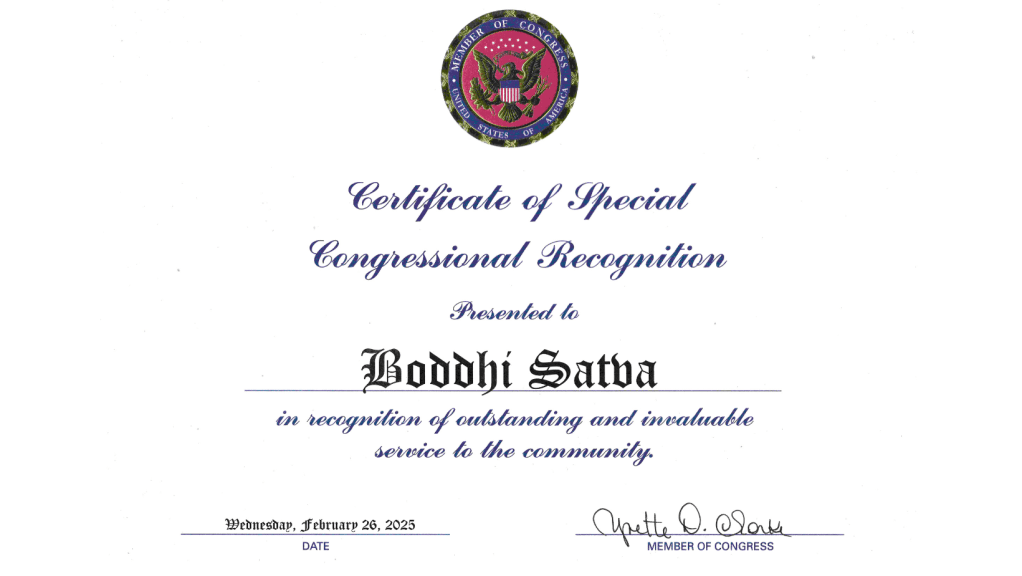
On February 26, 2025, the New York State Senate honored Boddhi Satva (Armani Di Kombot-Naguemon) with a Legislative Resolution. They recognized his contributions to music, culture, and entrepreneurship. This moment marks a shift in the global perception of Afro House, solidifying its growing influence in the music industry.
But why does this recognition matter? How did a genre that was once niche gain acknowledgment at the governmental level? And what does this mean for the future of Afro House?
How Afro House Reached a Global Stage?
For years, Afro House was seen as a regional subgenre, often overlooked by mainstream electronic and house music scenes. Pioneers like Satva, Black Coffee, Culoe De Song, Osunlade, and Louie Vega have contributed significantly. Influential acts like Shimza and Da Capo also played a role. The genre now has a distinct identity blending ancestral African rhythms with cutting-edge electronic production.
The Numbers Speak for Themselves:
The genre has seen tremendous growth in the past decade. Streaming data shows a 300% increase since 2018. Major festivals such as Afro Nation and Tomorrowland are incorporating the genre into their lineups. These events like and the success of Black Coffee’s Hï Ibiza residency have further contributed to the genre’s mainstream acceptance. Several labels have championed Afro House globally. Including Yoruba Records, Offering Recordings, Soulistic Music, Tribe Records, N.U.L.U, Seres Produções, Ocha Records, MoBlack Records and Aluku Records, amongst others. They’ve all supported established and emerging artists.
So why has it taken so long for institutions outside the music industry to recognize Afro-House’s impact?
The New York State Senate’s honor is a step toward legitimizing African electronic music within cultural policymaking. This area has historically prioritized Western-driven genres.

Why Boddhi Satva? The YGB Award Recognition and His Contribution to Afro House:
Boddhi Satva’s recognition by the New York State Senate highlights his role in Afro-House’s international rise. Honored at the Young, Gifted & Black (YGB) Entrepreneurial Awards, this distinction underscores his contributions to the genre’s growth. As he couldn’t attend in person. Shauna Fung Yee from Down 2 Earth Productions accepted the award on his behalf. She emphasized the genre’s expanding influence.
Boddhi Satva was born in Bria, Central African Republic. He pursued a career dedicated to bringing African musical traditions and electronic soundscapes together. Playing a key role in transitioning Afro-House from underground dance floors to global stages infusing his own imprint of sound. Beyond his success as a producer and DJ; he’s mentored emerging artists and contributed to the genre’s rise as a global movement.
His contributions to the genre include:
- Strengthening Afro-House’s presence globally through his label Offering Recordings (2007) and co-founding Batakari (2020) with Peter Adarkwah (BBE Music).
- Collaborating with a vast range of artists. This includes Bob Sinclar, Louie Vega, and Osunlade. Other collaborators are Davido, Busy Signal, and Raheem DeVaughn. Teedra Moses, Bilal, Oumou Sangaré, and Kaysha have also collaborated, among many others.
- Releasing landmark albums that have shaped Afro-House’s evolution:
- Invocation (2012) – The introduction of Ancestral Soul.
- Transition (2016) – A key milestone in the genre’s development.
- Manifestation (2022) – Recognized as Album of the Month by DJ Mag.
- In Spite of Everything (2024) – A defining statement of artistic resilience.
The Senate’s resolution recognizes the collective power of Afro-House and the artists who have shaped its evolution. Artists like Black Coffee, Shimza, Louie Vega, Osunlade, Culoe De Song, and Da Capo have played a vital role. Many others have contributed to expanding the genre’s reach. Their dedication and creativity have propelled Afro-House from underground spaces to the world’s biggest festivals and venues.and innovation that have propelled Afro House into the global spotlight.


Despite its growth, Afro-House still struggles with:
- Limited mainstream exposure on major radio and streaming platforms.
- A lack of financial investment compared to more commercialized African genres like Afrobeats & Amapiano.
- Misconceptions—many still assume Afro House is just a remix of house music rather than a genre with deep African roots.
Afro House is not just house music with African percussion. It is a genre deeply rooted in African musical traditions. It encompasses storytelling and spiritual connection. While it shares some electronic music characteristics, its cultural foundation sets it apart. This recognition from the New York State Senate suggests that Afro House’s impact goes beyond the dancefloor. It serves as a vehicle for cultural exchange. It is also a force challenging global music norms.
Where Do We Go From Here?
With Afro-House now in the spotlight, artists, producers, and industry players must seize the moment. There is an opportunity to:
- Expand the genre’s reach into new markets and digital platforms.
- Build stronger infrastructure for African electronic artists, ensuring they get the same resources and investments as their Western peers.
- Leverage institutional recognition like this Senate honor to push for greater representation at major music festivals, conferences, and cultural forums.
Check out this Afro-House Playlist featuring some of the genre’s top artists, including Boddhi Satva.
One thing is certain Ancestral Soul and Afro House are here to stay. What was once considered underground is now being acknowledged at the highest levels, and this is only the beginning.



 LISORO MAGAZINE