

Boddhi Satva continues to redefine what is possible within the Afro-House genre, and this time, it’s through his latest offering, Na Lela (“I’m Crying” in Lingala). The project is a remarkable fusion of music, culture, and cutting-edge technology.
Partnering with two of Kinshasa’s sons, MC Redbul and Kaysha, Boddhi delivers a work that transcends both sound and visuals. More than just a club anthem, Na Lela stands as a testament to artistic resilience in the face of doubt.
Afro-House, a genre that blends traditional African rhythms with electronic beats, has grown into a global movement. Pioneers like Boddhi Satva have elevated its status, introducing the genre to audiences worldwide.
Na Lela exemplifies this evolution, with Boddhi’s production weaving his signature Ancestral Soul sound, reflecting a deeper connection to African roots. He seamlessly blends these roots with electronic influences, creating a hypnotic and immersive musical landscape.
The fusion of traditional and modern elements not only makes Afro-House universally appealing but also firmly ties it to African identity.
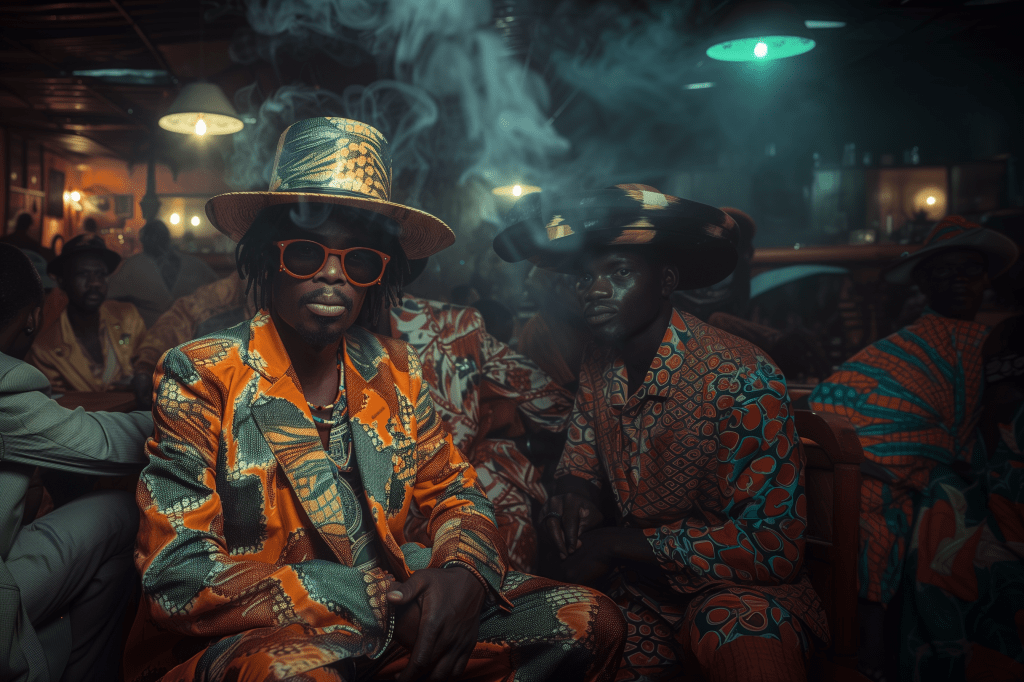
MC Redbul has a unique ability to blend sharp lyricism with raw energy and intensity, carving out a reputation as a fearless performer. His work across genres, particularly in Afro-House and Hip-Hop, has positioned him as a powerful voice in the congolese music landscape.
Kaysha, a seasoned and multiple award-winning artist and producer, has long been a trailblazer in the world of Zouk and Kizomba. However, his influence extends far beyond these genres, with a career spanning over two decades.
His smooth vocals and effortless fusion of African, Caribbean, and European influences have earned him global recognition. Known for his emotive delivery and hit-making prowess, Kaysha’s versatility as a singer, songwriter, and producer has solidified his place as one of the leading figures in African music.
Together, their contributions to Na Lela showcase their mastery of lyrical and musical craft, further elevating Boddhi Satva’s powerful vision.
The video stands out for its bold use of AI technology, marking a first for Boddhi Satva, although the journey to bring this concept to life was not without its challenges. One of the major hurdles the team faced during production was incorporating the likeness of all three artists—Boddhi Satva, MC Redbul, and Kaysha—into the AI-generated imagery.
However, the decision to focus on the beauty of the shots and characters proved rewarding, as the AI-generated figures in the video serve not merely as abstract representations, but as metaphorical stand-ins for the critics.
More than a song about personal triumph, Na Lela carries broader themes of resilience that resonate with both the artists and the wider cultural landscape, especially as the music industry is often slow to acknowledge new and evolving sounds. Boddhi, Redbul, and Kaysha, like many artists, have faced skepticism and doubt, and the song subtly addresses these challenges.
It portrays those who once distanced themselves as now quietly admiring the very work they once criticized, a transformation powerfully depicted in the visuals where these individuals, symbolized by their tears, are reluctantly drawn into a world they can no longer deny.
This speaks to a broader issue—African artists, and not only them, often face significant barriers when trying to break into global markets. Na Lela’s success stands as a testament to the perseverance of these creators and the growing recognition of African music’s influence. As Afro-House continues to expand globally, its cultural significance becomes harder to ignore.
Ultimately, Na Lela isn’t just a song or video—it’s an artistic statement that challenges conventions and celebrates triumph over adversity. Redbul and Kaysha demonstrate why they are powerhouse talents in the African and global music scene, and their contributions further elevate Boddhi Satva’s innovative vision.

Follow The Artists:

CLICK ON THE LINK TO STREAM/BUY https://orcd.co/qo6kren



 LISORO MAGAZINE