
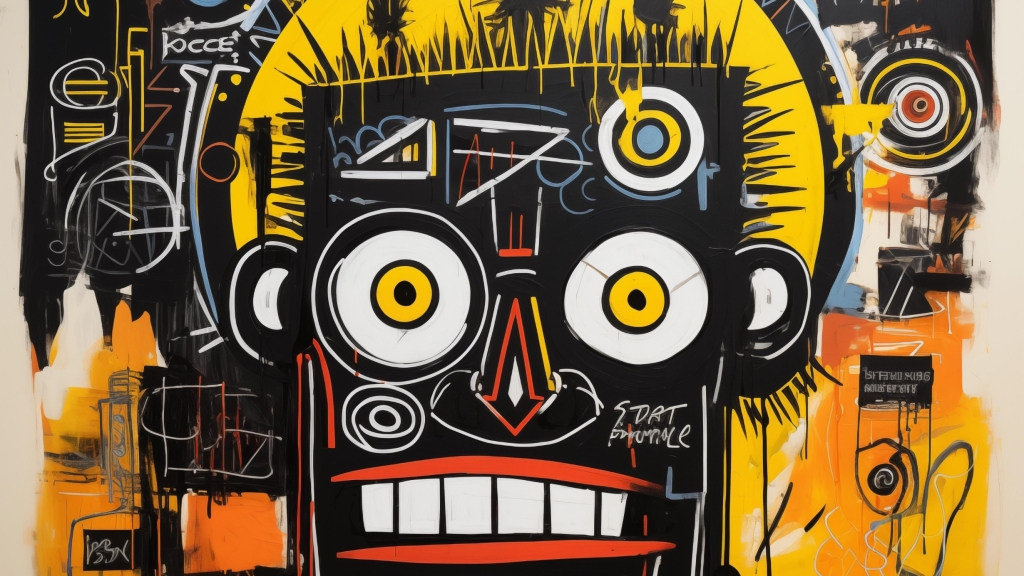
Elitism and tribalism within the music industry, is underpinned by *Ken Wilber’s Integral Theory and offers a profound reflection on the entwined nature of human behavior and societal dynamics. This analytical journey reveals how these ingrained tendencies, if left unchecked, pose significant risks not only to the music industry but to societal cohesion at large. Particularly in the realm of DJ bookings, the manifestation of elitism and tribalism underscores a broader challenge that impacts access, diversity, and innovation within the industry.
A Universal Conclusion
When allowed to proliferate without intervention, elitism and tribalism threaten to deepen divisions, diminish diversity, and erect barriers to inclusion and equity across various sectors. The music industry serves as a critical case study, where artists and DJ bookings have increasingly become the domain of tribalistic alliances. This often sidelines both well-established and up-and-coming artists who lack certain connections or credentials. Such a trend not only impoverishes the cultural landscape but also hinders creative progress.
In discussing this issue, many artists declined to comment, possibly reflecting the sensitivity and complexity of the topic. However, Boddhi Satva, who agreed to share his experience, articulates the challenges faced by those on the sidelines of this new paradigm, driven by what he describes as “little gangs of DJs and promoters.” Satva highlights his own journey, noting, “I have been blessed to work with some clients who never turned their backs to me, but the truth is that nowadays, when you try to work in new territories or reach out to promoters, you either get the silence treatment or receive a kind message that you are of no interest to them.” This reflects a broader industry trend, where an artist’s career, marked by its inevitable ups and downs, faces additional hurdles due to these exclusionary practices. Satva’s resilience shines through as he emphasizes the importance of exploring other avenues of business, suggesting a proactive approach to navigating the challenges posed by elitism and tribalism in the industry.
Satva’s insights underscore the necessity for artists to remain adaptable and open to diverse opportunities, reinforcing the argument that the music industry, and indeed all sectors affected by elitism and tribalism, must strive for more inclusive and equitable practices. By acknowledging and addressing these barriers, the industry can foster a more diverse, innovative, and vibrant cultural landscape.
The Power of Individual Action
It’s crucial to note that the positive outcomes associated with elitism depend heavily on how inclusively or exclusively it’s practiced. When elitism crosses into exclusionary practices that unfairly limit access to opportunities based on background rather than merit, its negative aspects overshadow any potential benefits. Therefore, a balanced approach that encourages excellence and high standards while remaining open to diverse talents and backgrounds can mitigate the negative implications of elitism.
Developmental Stages:
By mapping the influence of elitism and tribalism across different stages of development, Integral Theory provides insights into their evolution within individuals and societies. Initially seen as survival mechanisms, these tendencies gradually come to be recognized as barriers to diversity and inclusivity. Acknowledging these stages enables a deeper understanding of how to effectively address and transcend such barriers.
- Early Stages: At earlier stages of development, individuals and groups might view elitism and tribalism as necessary mechanisms for survival and identity formation. The sense of belonging to a select group provides security and a clear sense of self in a complex world.
- Mid Stages: As development progresses, individuals and societies begin to value meritocracy and equality, recognizing the limitations of elitism and tribalism. There’s an increasing awareness of the benefits of diversity and inclusivity, yet there may still be a struggle to fully integrate these values into established systems.
- Later Stages: At more advanced stages of development, there’s a holistic understanding of interconnectedness and a deep appreciation for the intrinsic value of all individuals and cultures. Elitism and tribalism are seen as barriers to the collective evolution towards a more inclusive, equitable society.
A Collective Journey Towards Inclusivity
The journey toward a more inclusive and equitable society is collective and requires the participation of all individuals. It involves constant self-reflection, a willingness to engage in difficult conversations, and the courage to challenge the status quo. By redefining what constitutes quality and excellence, promoting critical engagement, and creating an environment that values authentic talent, it is possible to counteract the trend toward mediocrity. This approach not only benefits specific fields such as art, music, and literature but also enriches society as a whole by elevating the standard of what is considered truly exceptional.
Conclusion
Through the lens of Integral Theory, this article aims to not only diagnose the pervasive issues of elitism and tribalism in the music industry but also to inspire actionable change. It calls upon each individual within their “tribes” to reflect on their role in fostering a world that values diversity, inclusivity, and equity. Through both individual actions and collective efforts, there is a promising opportunity to challenge prevailing currents, making the music industry, and society at large, more inclusive, diverse, and vibrant.
*Ken Wilber is an American philosopher known for his work in Integral Theory, which seeks to synthesize a wide range of knowledge from various disciplines and cultures into a comprehensive framework of human development and understanding



 LISORO MAGAZINE