
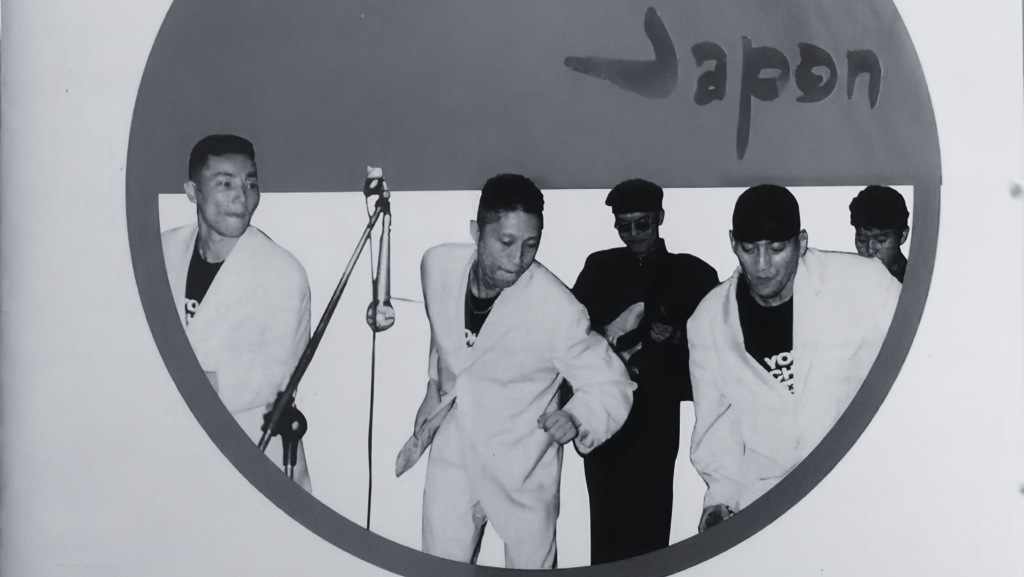
The story of Yoka Choc, a Japanese band deeply Plunged in the Congolese Ndombolo music scene, prompts intriguing questions about the depth of cultural connections between Japan and Africa.
This band, founded in 1986 near Tokyo, not only embraces Congolese rhythms and Lingala lyrics but also embodies the spirit of Congolese legends such as Papa Wemba, King Kester Emeneya, and Tabu Ley Rochereau.
Though direct endorsements from these icons were not found in the available sources, the band’s dedication to Congolese music suggests a level of admiration and respect for these artists that might as well be considered a form of indirect homage. Their album “Bana Kinshasa, Bana Japon,” released in 1997, is a testament to this homage, showcasing their talent in a genre far from their native musical roots.
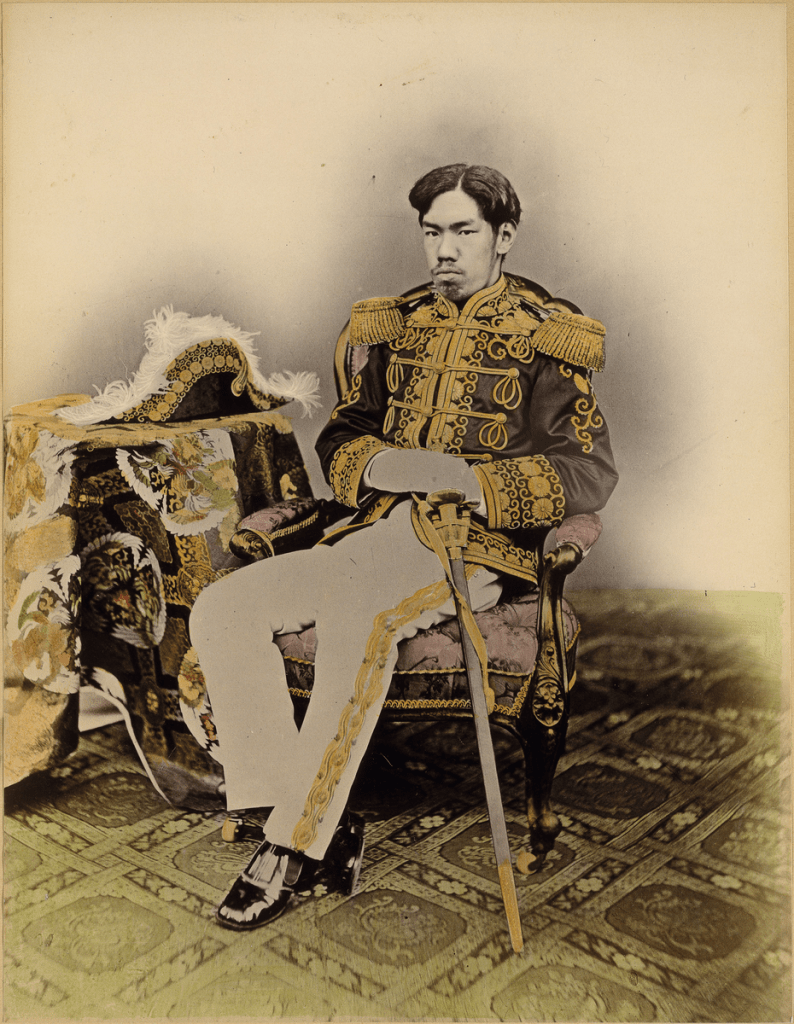
The connection between the Meiji Era’s spirit of innovation and the ancient heritage of the Jomon people provides a compelling backdrop to the story of Yoka Choc and its embodiment of cultural fusion and exchange between Japan and Congo. The Meiji Restoration’s emphasis on modernization and engagement with the wider world echoes the deep historical roots of Japan’s capacity for cultural adaptation, as evidenced by the Jomon period.
The Jomon people, as the earliest inhabitants of the Japanese archipelago, represent a foundational chapter in Japan’s long history of cultural development and diversity. Their presence from about 14,000 B.C. showcases a society that was both isolated yet profoundly connected to the broader movements of peoples and ideas across ancient East Asia. This duality of isolation and connection is a theme that resonates through Japanese history, re-emerging powerfully in the Meiji period when Japan sought to transform itself by absorbing and integrating Western technologies and ideas while striving to maintain its unique cultural identity.
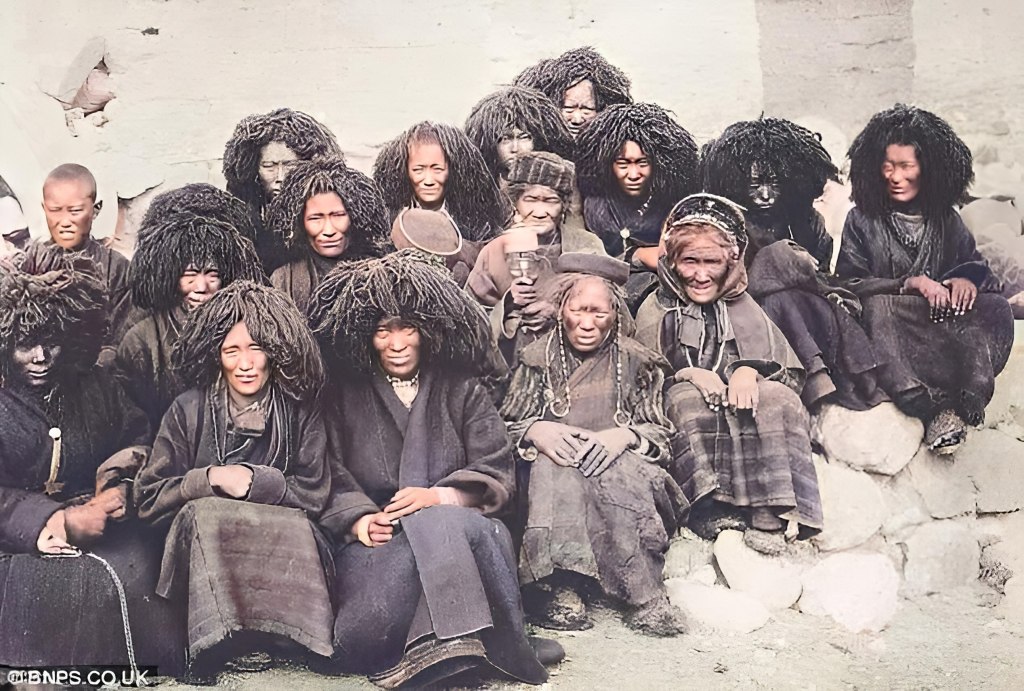
Yoka Choc, in embracing and reinterpreting Congolese music within a Japanese context, mirrors this historical narrative. Just as the Jomon people developed a distinctive culture through their interactions with their environment and the limited exchanges they had with neighboring regions, Yoka Choc has created something uniquely Japanese out of the rhythms and languages of Congo. This process of cultural synthesis, which has been a hallmark of Japanese society since the Jomon period, was given new impetus and direction by the Meiji Restoration’s outward-looking philosophy.
(The late Amobé Mévégué interviews Yoka Choc on TV5)
The Meiji Era, therefore, does not stand alone in Japan’s history of cultural openness and adaptation but is part of a continuum that reaches back to the Jomon period. The thread that connects these disparate periods is the enduring Japanese capacity for innovation in the face of external influences, a capacity that has allowed Japan to navigate the challenges of globalization while retaining a deep connection to its historical and cultural roots.
Through the lens of Yoka Choc’s music, we can appreciate the layers of history and interaction that have contributed to Japan’s rich cultural tapestry. From the ancient Jomon people, through the transformative years of the Meiji Era, to the present day, Japan has continually reshaped and redefined itself. Yoka Choc’s fusion of Japanese and Congolese music is a contemporary expression of this ongoing narrative, highlighting the dynamic interplay of tradition and innovation that defines Japan’s place in the world.
Current activities of Yoka Choc in 2024 seem elusive, with limited online presence or recent performances detailed. However, their legacy and the unique cultural bridge they built remain subjects of interest and admiration. The discussions and videos available on platforms like YouTube provide glimpses into their performances and the energy they brought to the stage, preserving the essence of their music for new and old fans alike.



 LISORO MAGAZINE