
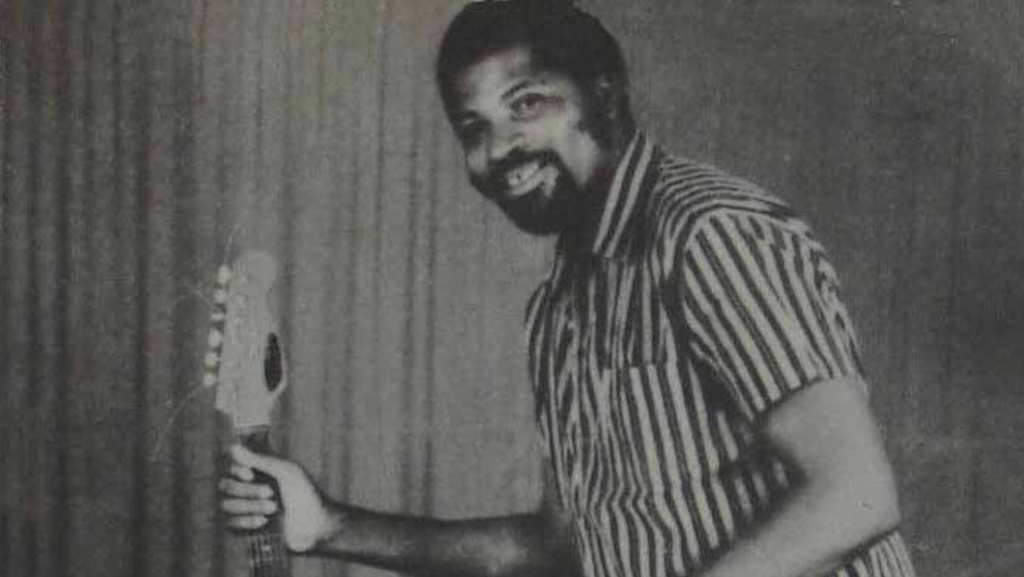
The Central African Republic musical landscape is rich with the echoes of its pioneers, among whom Prosper Mayélé and his band, Centrafrican Jazz, hold a place of honor. The legacy of Mayélé, affectionately known as Prince Mayos, transcends mere nostalgia; it is a testament to the profound impact one artist and his ensemble can have on the cultural identity of a nation. Delving into the journey of Mayélé and Centrafrican Jazz offers a glimpse into the soul of Central African music, marked by innovation, resilience, and a deep connection to the socio-political fabric of the era.
The Genesis of a Musical Revolution
Prosper Mayélé’s career was not a product of chance but a testament to his prodigious talent and visionary outlook. Graduating with a diploma in carpentry in 1954, Mayélé’s true calling was music, evidenced by his significant guitar skills. His impromptu performance at the inauguration of the REX bar dancing, filling in for the absent Déchaux, was not just a success but a revelation. This moment underscored Mayélé’s exceptional ability and set the stage for his future endeavors.
The Birth of Centrafrican Jazz
The departure of African Jazz from Bangui left a void that Mayélé was determined to fill. Founding the first modern Oubangui music group, he not only embraced the role of a musician but also of a cultural ambassador, supporting the socio-political actions of President Barthélemy Boganda with his ensemble, initially named “Tropical Jazz.” This blend of musical innovation and political engagement marked the early days of what would become a legendary band.
The Evolution and Impact of Centrafrican Jazz
Under Mayélé’s leadership, Centrafrican Jazz became more than a musical act; it was a movement. The band’s recordings at Radio Bangui and its expansion to become the “Centrafrican band” were pivotal in popularizing modern music within the country. Mayélé’s creation of GORC (Groupement Orchestral de la République Centrafricaine) in 1962 was a significant effort to protect Central African artists’ works, showcasing his dedication not only to his craft but to the broader artistic community.
The split in 1963, leading to the formation of “Centrafrican Jazz” and “Vibro Success,” was a testament to the vibrant, albeit competitive, music scene of the time. Despite challenges, including political repression and imprisonment by President Bokassa, Mayélé’s resilience and dedication to his art remained unshaken.
The Musical Genius of Prosper Mayélé
Mayélé’s influence on Central African music cannot be overstated. His mastery of a wide range of genres—from jazz and blues to Afro-Cuban rhythms and Congolese Rumba—set him apart as one of the most versatile musicians of his time. His improvisational prowess and harmonic mastery made Centrafrican Jazz a cornerstone of Central African music, drawing enormous crowds and leaving an indelible mark on the nation’s cultural heritage.
Legacy and Recognition
The story of Prosper Mayélé and Centrafrican Jazz is a chronicle of triumph over adversity, of art transcending the boundaries of its time to leave a lasting legacy. Mayélé’s innovative spirit, coupled with the band’s contributions to the musical and socio-political discourse of the Central African Republic, continues to inspire new generations of musicians and music lovers alike.
The songs, the performances, and the memories they evoke are more than just relics of the past; they are beacons for the future, guiding the way for those who seek to blend tradition with innovation in creating music that speaks to the soul of a people.
In honoring Prosper Mayélé and Centrafrican Jazz, we celebrate not just their contributions to Central African music but their enduring influence on the tapestry of African cultural identity. Their story is a reminder of the power of music to inspire change, to unite communities, and to express the deepest aspirations and challenges of a nation.



 LISORO MAGAZINE