
The Wealth of the Central African Republic’s Music: Origins and Evolution
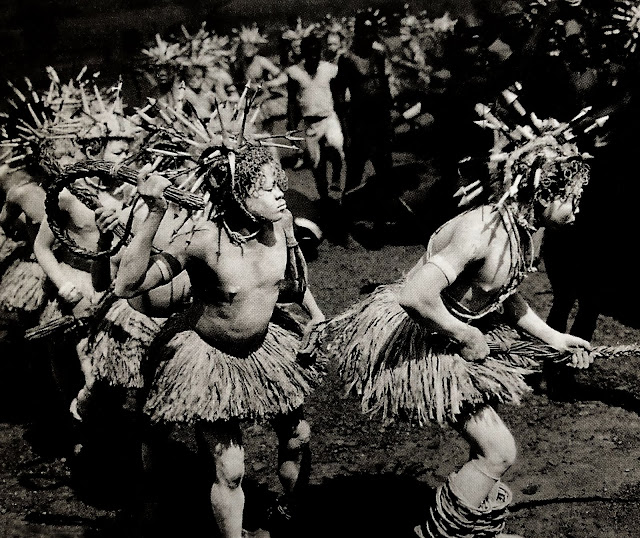
The Central African Republic (CAR), a nation with a solid and diverse cultural heritage, boasts a musical tradition that mirrors its rich historical tapestry. From the polyphonic melodies of the Aka Pygmies to the rhythmic harmonies of the Banda and Ngbaka peoples, the origins of music in the CAR are as varied as the country’s landscape.
Early Beginnings
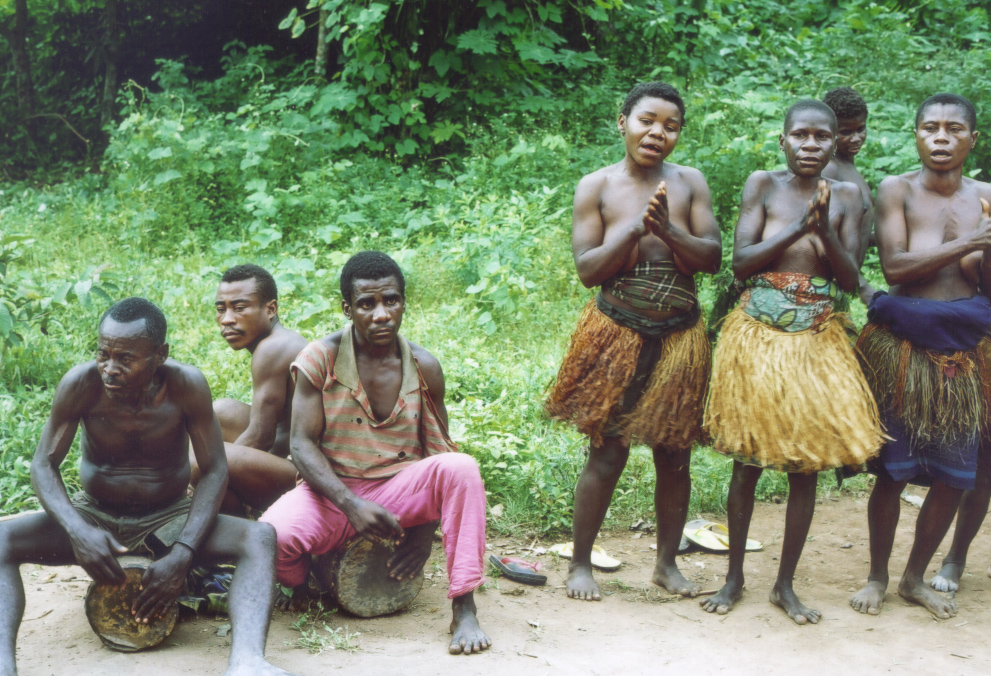
The early beginnings of the Central African Republic’s music, deeply rooted in the traditions of the indigenous Pygmy tribes such as the Aka Pygmies, do not have precise documented dates due to the oral nature of their cultural transmission. The music of the Aka Pygmies, known for its intricate polyphonic singing and the use of traditional instruments like the Mbenzele (a type of harp), has been an integral part of their culture for generations, likely predating recorded history.
These traditions have been passed down orally from generation to generation, making it challenging to pinpoint exact temporal marks. However, it’s widely acknowledged that these musical practices have existed for thousands of years, with some research suggesting that the Pygmy tribes have lived in the Central African forests for more than 20,000 years. The music of the Aka Pygmies and other indigenous groups has thus been a cornerstone of the Central African Republic’s musical heritage long before the country’s independence in 1960.
This early music, characterized by a deep connection with the natural world and serving as a means of communication within the community and with the spirits of the forest, forms the foundation upon which the country’s diverse musical landscape has been built.
Influence of Ethnic Diversity
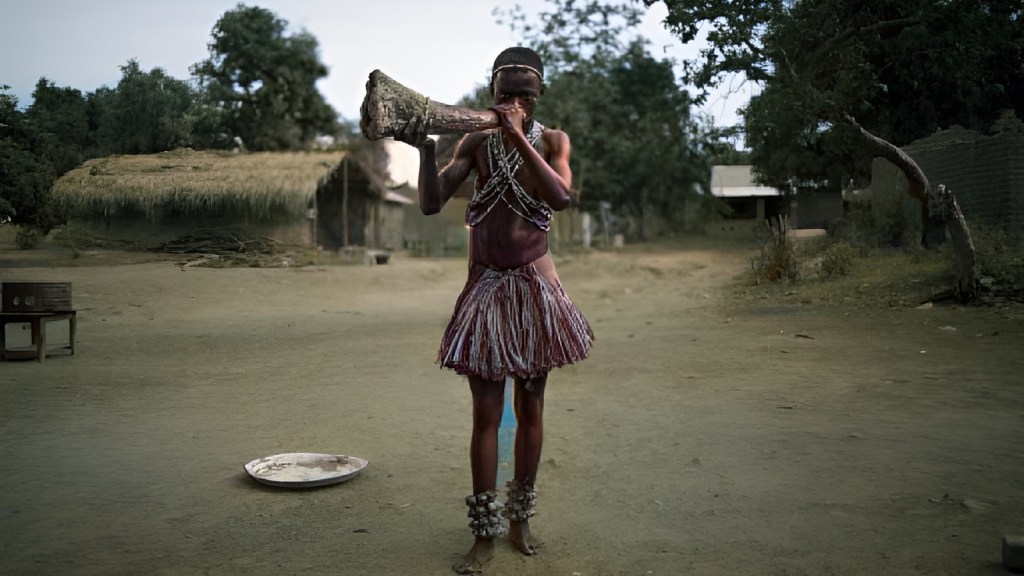
The CAR’s musical landscape is heavily influenced by its ethnic diversity, with over 80 ethnic groups contributing to the nation’s sonic diversity. Each group brings its unique musical style, instruments, and traditions, enriching the national heritage. For instance, the Banda, one of the largest ethnic groups, are renowned for their orchestras of horns (Ongo or Ngombi), which play a pivotal role in ceremonies and rituals. These instruments, crafted from hollowed-out wood and animal horns, produce a distinctive sound that is central to Banda music.
Colonial Impact and Modern Influences
The arrival of European colonizers in the 19th century introduced new musical instruments and genres, which were assimilated into the local music scene. This period saw the emergence of military bands and church music, which blended with traditional rhythms to create new musical forms.
In the 20th century, the Central African Republic’s music continued to evolve, absorbing influences from neighboring countries and beyond. The popularity of Congolese Rumba in the mid-20th century, for instance, had a significant impact on local music, leading to the creation of unique styles like the “Montè-Nguènè.” This style, pioneered by local groups such as Zokéla, incorporated traditional rhythms with modern instruments, showcasing the adaptability and resilience of CAR’s musical tradition.
The Rhythmic Patterns
In the lush landscapes of the Central African Republic (CAR), where the vibrancy of life is matched only by the richness of its cultural tapestry, traditional music stands as a testament to the country’s deep-rooted heritage. Central African music, with its intricate rhythms and communal spirit, offers a window into the soul of a region that has nurtured its ancestral sounds against the backdrop of the natural world. This exploration seeks to uncover the layers of rhythmic complexity that define Central African traditional music, offering readers of Lisoro Magazine a journey into the heartbeat of Central Africa.
The Essence of Polyrhythms
At the core of Central African music lies the principle of polyrhythms, a sophisticated musical structure where multiple, independent rhythmic patterns are woven together simultaneously. This intricate tapestry of sounds creates a rich, layered texture that is as captivating as it is complex. The interplay between the lead drummer and the ensemble in a polyrhythmic exchange is not just a musical dialogue but a communal conversation that invites participation and collective engagement.
The Call of the Community
A distinguishing feature of Central African rhythms is the call-and-response structure, mirroring the region’s vocal traditions. This rhythmic conversation involves a leader who introduces a specific pattern, answered by the ensemble or community participants. This interactive dynamic fosters a sense of unity and shared experience, reinforcing the music’s role as a communal anchor.
The Dance of Cross-rhythms
Central to the rhythmic innovation of Central African music is the use of cross-rhythms. This technique juxtaposes rhythms with differing time signatures, creating a tension and release that adds emotional depth and unpredictability to the music. The dynamic interplay of 3/4 rhythms against 4/4 patterns, for example, challenges and delights the listener, inviting them into a dance of complexity and surprise.
The Spark of Syncopation
Syncopation, with its emphasis on off-beats, injects a sense of anticipation and movement into Central African music. This rhythmic device propels the music forward, encouraging dance and physical expression. It’s a testament to the music’s ability to engage the body as well as the mind, embodying the region’s vibrant spirit.
The Cycle of Life
Many traditional rhythms in Central African music are cyclical, echoing the cycles of nature and life that envelop the region. These repeating loops have a hypnotic effect, providing a stable foundation for improvisation and variation. The cyclical nature of these rhythms speaks to the timeless continuity of Central African culture, connecting the past with the present.
The Symphony of Instruments
The diverse array of percussion instruments, from drums of various sizes to bells, shakers, and xylophones, articulate the complex rhythms of Central African music. Each instrument brings its unique voice to the ensemble, enriching the sonic landscape and highlighting the region’s rich musical heritage.
The Unity of Music and Dance
In the Central African Republic, rhythmic patterns are inseparable from dance, rituals, and ceremonies. The music dictates the movements of the dance and the pace of the ceremony, creating a unified artistic expression deeply embedded in the cultural fabric. This integration of music and dance underscores the holistic nature of Central African artistic traditions.
Contemporary Scene
Today, the music of the Central African Republic is a dynamic blend of traditional and contemporary sounds. Artists like Laetitia Zonzambé, Idylle Mamba and groups such as Zokéla continue to popularize CAR’s music on the international stage, blending traditional melodies with global genres. The traditional music of the Pygmies, recognized by UNESCO as a Masterpiece of the Oral and Intangible Heritage of Humanity, continues to fascinate researchers and music lovers alike, offering a window into the soul of the Central African wilderness.
Conclusion
The origins of music in the Central African Republic are a testament to the country’s rich cultural heritage and the enduring power of music to convey history, tradition, and identity. From the ancient songs of the Pygmies to the contemporary beats echoing through Bangui’s vibrant music scene, the CAR’s musical legacy continues to evolve, bridging the past with the present and carving a distinct space in the global music landscape.



 LISORO MAGAZINE